
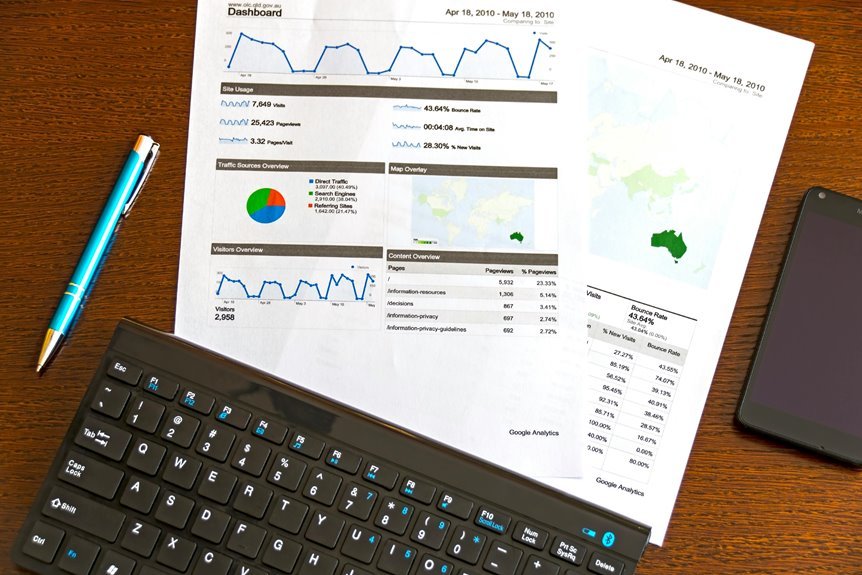
Strategic Insights Matrix: 120353794, 601601536, 651155967, 1708922552, 154641809, 29994

The Strategic Insights Matrix serves as a critical tool for organizations seeking to align their strategic objectives with measurable insights. By examining identifiers such as 120353794 and 601601536, firms can identify trends that highlight both strengths and weaknesses. This analytical approach facilitates informed decision-making. However, the true potential of this matrix lies in its ability to transform raw data into actionable intelligence for sustainable business performance. What implications could this have for organizations navigating the complexities of their markets?
Understanding the Strategic Insights Matrix
Understanding the Strategic Insights Matrix requires a comprehensive examination of its components and their interrelations, as the framework serves as a vital tool for organizations aiming to align their strategic objectives with actionable insights.
Analyzing Key Identifiers
Analyzing key identifiers within the Strategic Insights Matrix involves a systematic evaluation of the primary metrics and indicators that drive organizational performance.
Each identifier’s significance is assessed through data correlation, revealing patterns that inform strategic decisions.
This structured analysis enables organizations to identify strengths and weaknesses, fostering an environment where data-driven insights promote autonomy and informed action in pursuit of overarching goals.
Transforming Data Into Actionable Intelligence
While data alone holds potential, it is the transformation of that data into actionable intelligence that drives effective decision-making within organizations.
This process entails employing data visualization techniques to present insights clearly, alongside predictive analytics that forecast future trends.
Enhancing Business Performance With Insights
To enhance business performance, organizations must leverage insights derived from comprehensive data analysis, as these insights serve as a catalyst for informed strategic decisions.
By focusing on data-driven decisions, companies can effectively align their performance metrics with organizational goals, identifying areas for improvement and optimizing resources.
Ultimately, this approach fosters a culture of continuous growth, empowering businesses to adapt and thrive in dynamic markets.
Conclusion
In conclusion, the Strategic Insights Matrix serves as a compass, guiding organizations through the complexities of data analysis. By meticulously evaluating key identifiers, businesses can unlock potential opportunities and address weaknesses, transforming raw data into actionable intelligence. This structured approach not only enhances decision-making but also fosters a culture of continuous improvement. Ultimately, organizations that embrace this framework position themselves to navigate the ever-evolving market landscape with agility and confidence, ensuring sustained growth and success.


